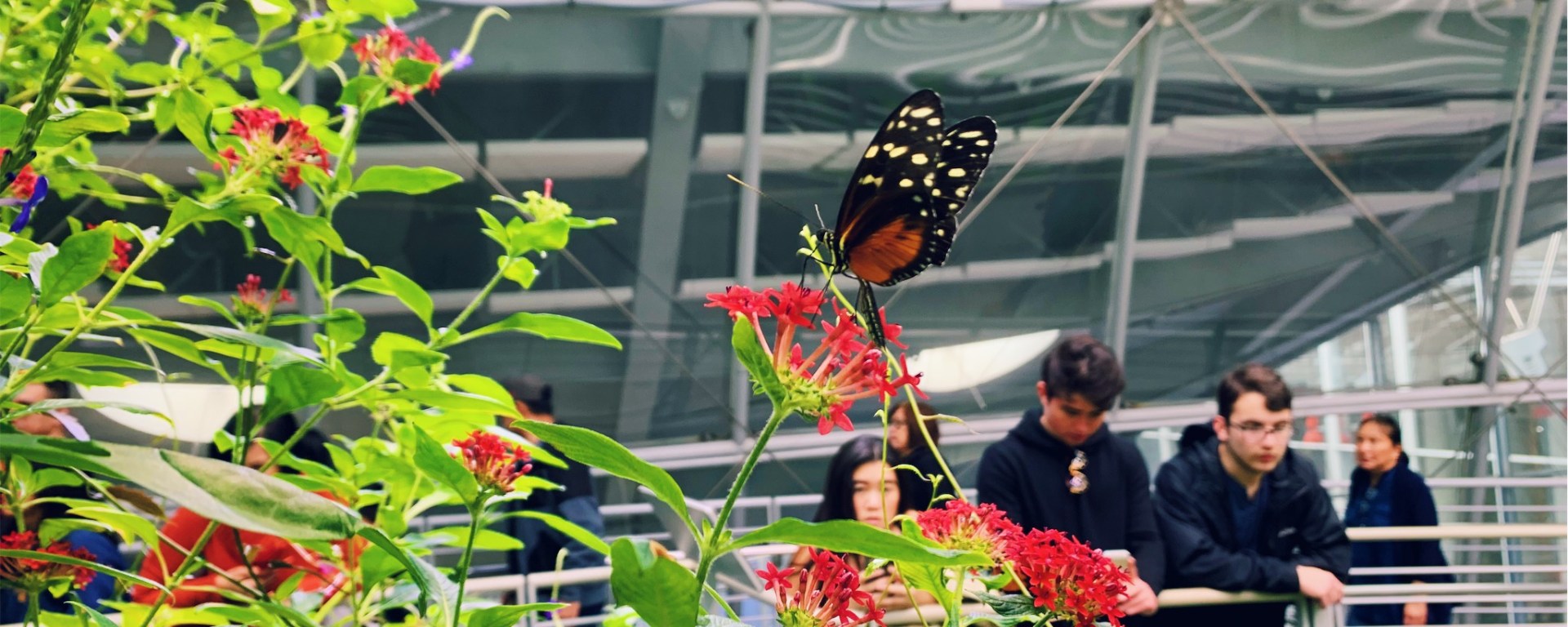
Lately, I have been really interested in butterflies.
Not only are the beautiful, but they are also an important part of the ecosystem. It is finally springtime and gardening has really been on my mind.
I remember writing a story about a retired science teacher with a passion for butterflies. His name was Rob Bell.
The story I was working on was highlighting the man’s butterfly garden. It was something that caught the interest of community members who eagerly wanted to learn how to create a butterfly garden of their own.
I want to share what I learned from working on this story. And if you are looking to get into gardening this spring, you might want to make it into a butterfly garden.
It’s actually a lot simpler than you may think. It all starts with the plants that you choose.
To Bell, the garden is about so much more than just a display of pretty flowers.
He explained to me that any pretty flowers can attract butterflies to “visit” gardens, but butterfly gardens are more about providing food plants to help raise more butterflies.
He explained that butterflies used to be very common and they used to be all over North America, but paving, spraying of pesticides and mowing have hurt the species.
More specifically, the monarch butterfly population has taken a substantial 96.5 percent drop over the past few decades. Monarchs are now in danger of moving towards extinction.
Not only will this harm butterflies, but also the ecosystems that they contribute to. Butterflies, similar to bees, help pollinate plants. This role is vital to crop growth and food production.
According to National Geographic, increasing carbon dioxide levels may be making milkweed, which is the only food monarch caterpillars will eat, too toxic for the monarchs to tolerate.
Another one of the biggest contributors to the endangerment of butterflies is habitat destruction. The places that many of these butterflies used to live are now taken over by human development.
While we can’t get those habitats back, one of the ways that we can help is by imitating the habitats with butterfly gardens.
The main goal with butterfly gardens should be to attract as many different kinds of butterflies as possible.
The garden that Bell has at his home holds two certifications through the North American Butterfly Association — certified butterfly garden and certified monarch garden.
The only requirements for an NABA certified butterfly garden are that it must include at least three different native caterpillar food plants and at least three different native butterfly nectar sources.
Native plants and flowers are encouraged, but not required.
The NABA also highly advises against using pesticides in gardens as they can kill butterflies and other important pollinators. To become monarch certified, only one milkweed plant is required to be in the garden.
For anyone interested in starting their own butterfly garden, Bell suggested going to a nursery that has plants on display outside and just observing to see which ones the butterflies go to.
The flowers should be simple and not “too fancy.” The plants that you choose should be sources of food for the butterflies.
As mentioned before, there are two types of plants that you will need, nectar plants for the butterflies and caterpillar food plants.
Eastern purple coneflowers are one of the most common nectar plants. Nectar plants will provide adult butterflies with energy, according to NABA.
As for caterpillar food plants, these are specific to your location. Caterpillar food plants will feed the caterpillars and encourage them to stay and lay eggs within your garden.
If you’re looking to start a butterfly garden at your home, find a super sunny spot outside and get planting.
The NABA website is full of many resources for those who are looking for more information.
 Natural Bliss