
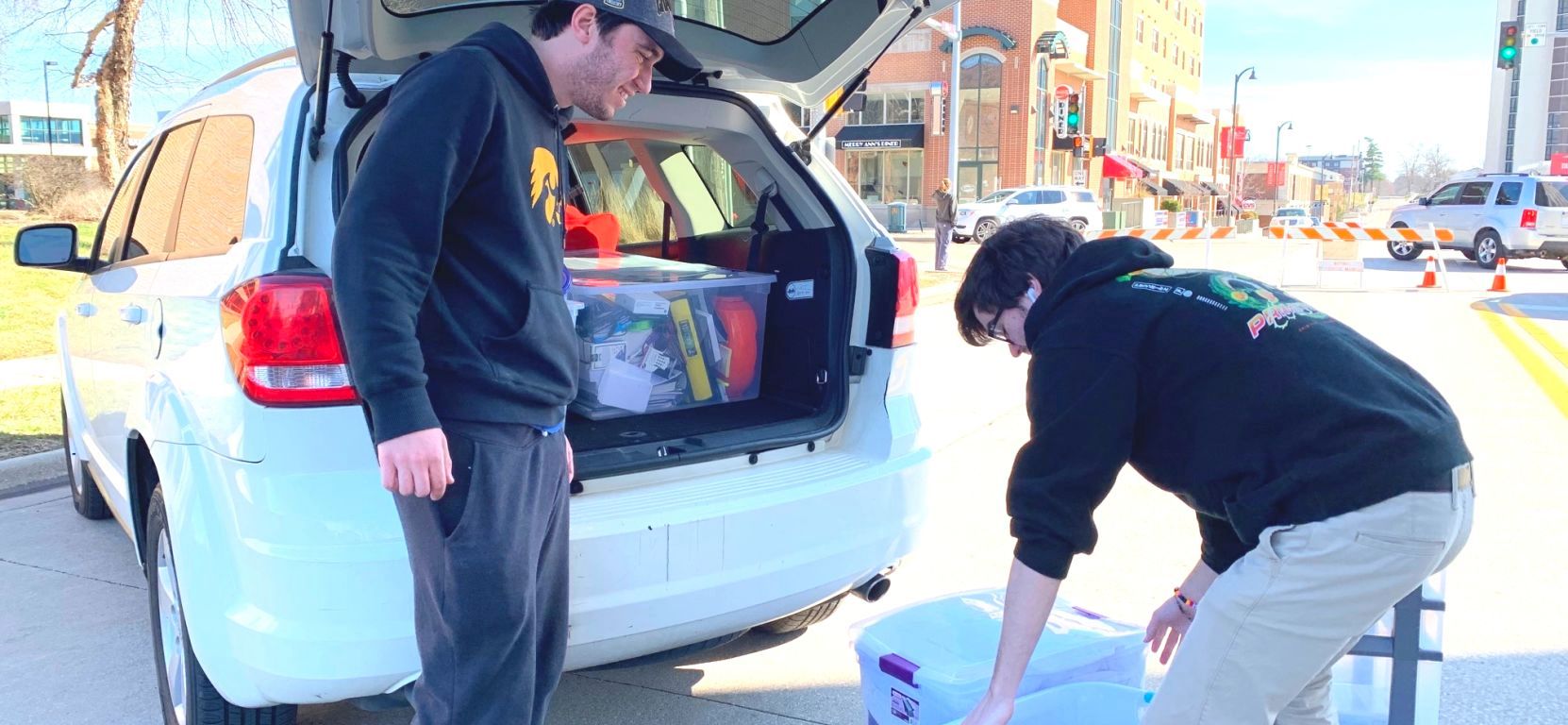
Although many students were already forced to move off campus and back home, there are still a number of students that are preparing to move out of their apartments in the coming weeks.
Being a senior, I decided to continue living in my off-campus housing. I am now getting ready to move out of a house that I have been living in since the summer. I have definitely made myself at home here.
It’s going to be hard to leave, both emotionally and physically.
The house that I live in was not furnished at all. Myself and my three other roommates had to find a kitchen table and chairs, couches and other furniture for our four bedroom, two bathroom house with a basement.
After a year of garbage picking and bargain shopping our little green house really started to feel like home. Now we have to pack it all up and leave.
Of course I am terribly sad to be leaving, but I’ll save that talk for my journal.
One of my biggest pet peeves is the overflowing garbage dumps and curbsides during move out season. It reminds me how much waste people really contribute. There will be whole futons and mini fridges thrown in the dumpsters meant for the landfill.
It can truly be a scary sight. So whether you are moving out soon or if you know you’ll be moving soon, here are some tips on how to be eco-friendly when moving out.
Don’t pack up the kitchen first
If you aren’t much of a cook, you might think that packing up the kitchen first is wise. But, if you pack up all of your kitchen utensils before everything else, you may end up creating more waste because you will likely turn to using plastic utensils or paper plates. You can still pack up your kitchen before everything else, but consider leaving out a few necessary kitchen items so that you can use them until you leave.
Donate clothes and other unused items
When you start the process of packing, you may be tempted to go through your belongings. This is the perfect opportunity to decided which items you aren’t using as often. Before throwing them in a trash can, consider donating your unused items to a local shelter or re-sale store, some places will even pay you for your donations. Facebook marketplace is also a quick and easy way to give your unused items a new life. In my experience, it only takes a few minutes for people to show interest in your items. It takes that item off your hands quickly and puts a little extra money in your pocket.
Recycle when you can
A lot of waste will be collected when you start the moving process. But not all of these items belong in a landfill. Make sure you know what items can and cannot be recycled. Some things that can be recycled include plastic bottles and containers, food and beverage cans, paper, flattened cardboard and paperboard, food and beverage containers and glass bottles and containers. Some things that should not be recycled include bagged recyclables, plastic bags, plastic wrap and film, flexible packaging, cups with wax or plastic coatings and polystyrene foam and plastic. Household items and garage waste cannot be recycled.
Use old packing materials
You don’t need to buy new boxes every time you move. Get creative with packing up your items and use stuff that you already have. If you have reusable bags, old card board boxes from past purchases or even shoe boxes, you can find ways to pack up your belongings without having to create new waste. You can crumple up old papers to use for your more fragile items or towels, linens, comforters or even clothes work to provide some protection.
Make less trips
If you take multiple trips to move all of your belongings to a new place, that can use a lot of gas. Recruit some friends or family to help you make the move in one trip. If you follow some of the earlier tips, you might not have as much stuff to take care of come moving day.
 Natural Bliss