
With the majority of retail stores closed due to the coronavirus pandemic, I started thinking about the major shift to online shopping. It got me thinking about what resources it takes to get those packages to you.
So once you order something online, there are warehouses all over the country. You never know how near or far your item is.
Of course, online shopping takes up less space and less energy than it takes to keep a mall or retail store up and running, but think about all of the resources used in online shipping.
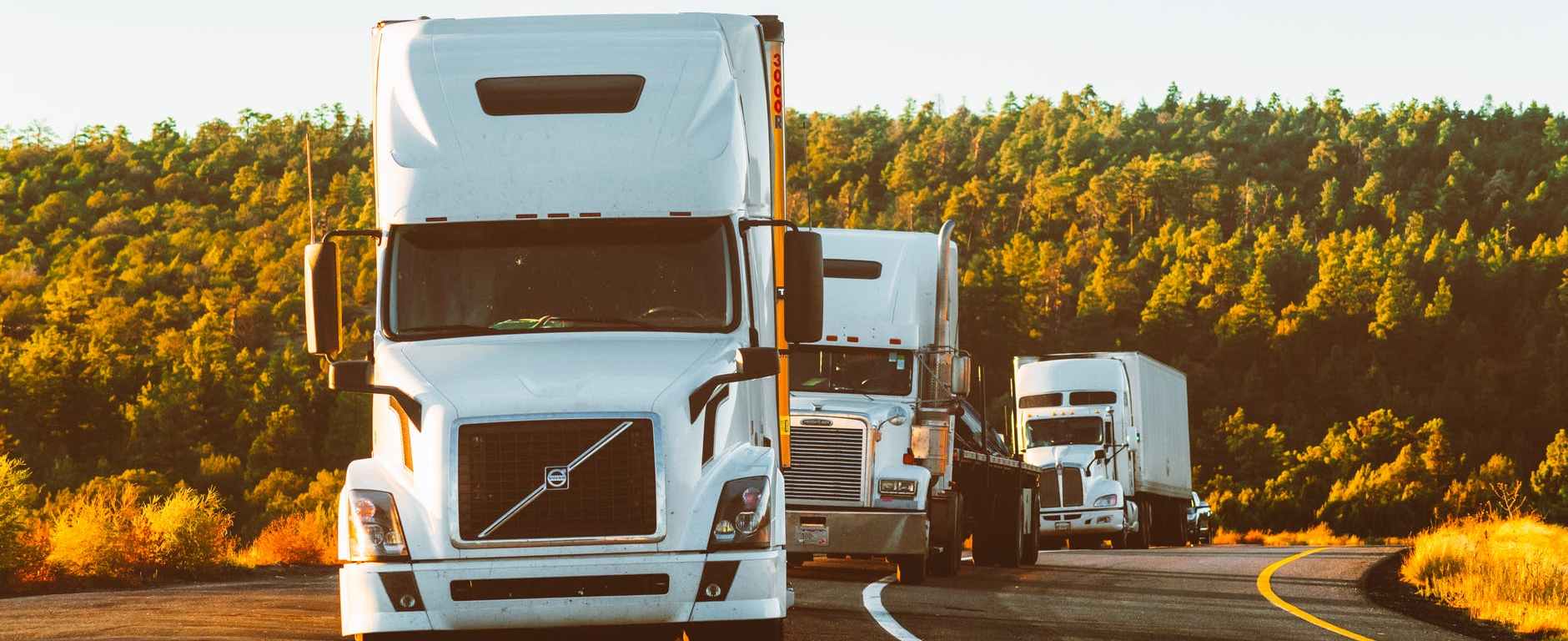
Your package has to be shipped in something whether it is plastic wrap or in a box. That creates more waste. But then you also have to consider the means of shipment. Planes or delivery trucks emit carbon and add to air pollution.
This got me really interested, so I decide to Google my question. What I found may actually surprise you.
An author with Reader’s Digest must have had the same question as me and did some digging.
She found a study done by two engineers with the Organization for Economic Cooperation and Development.
In the study, the engineers calculated shipping distances, emissions from individual vehicles, the demands of retail space, airfreight transport vs. local truck delivery and the resources used to return goods.
What they found was that shopping malls are actually more expensive than online shopping.
While shopping malls and retail stores are quickly accessible, we are mostly paying for the convenience. Rising costs and the fuel spent when unsold products are returned to the manufacturer do the most damage to the environment, according to the study.
But the carbon emission from all of the individual cars going to and from the stores also play into shopping malls being less eco-friendly.
So, maybe all of the online shopping during quarantine is reducing carbon emissions. Only time and science will tell.
 Natural Bliss